Key takeaways
- Heavy rain is normal on the Gulf Coast, so a gutter must move a lot of water in a short time.
- Covers and guards keep larger debris out, but they still need regular checks and cleaning.
- Clear blockages and fix sagging or leaking sections before covers go on.
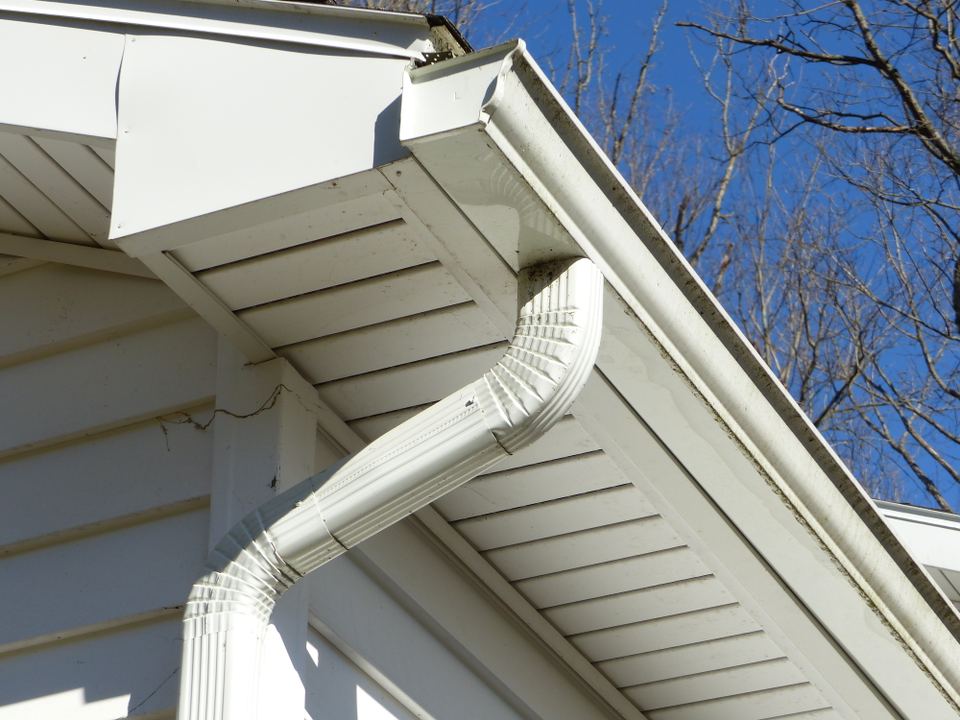
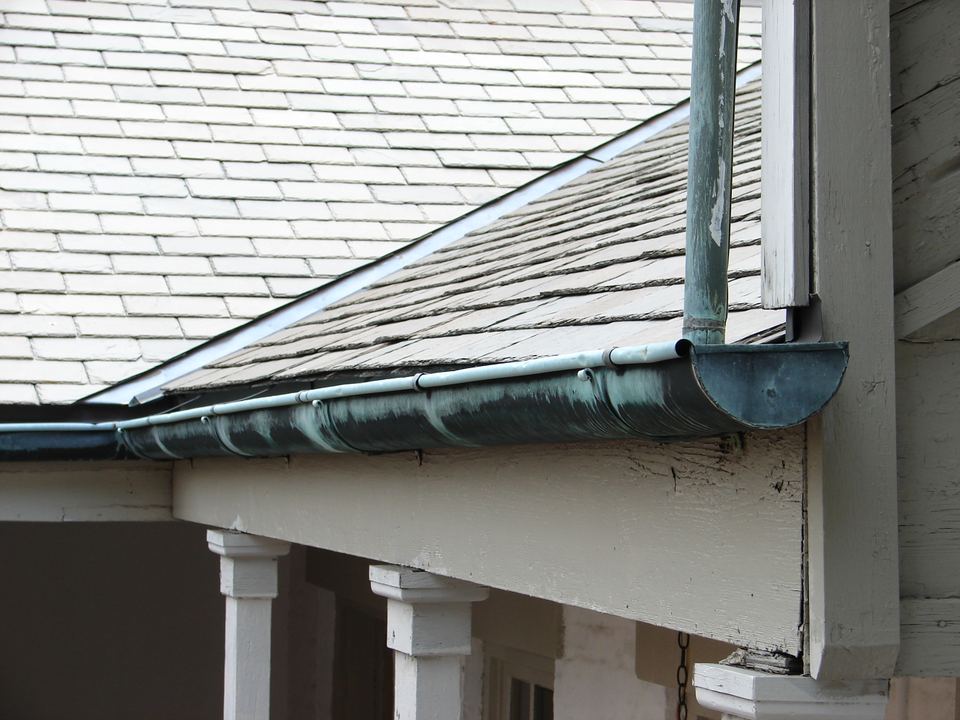
Gutters have one job. They collect the water that runs off the roof and carry it to a downspout and away from the house. In a dry climate, a part-blocked gutter can go unnoticed for months. In Houston, the problem usually shows itself in the next storm, when water spills over the front edge or backs up at the roof line.
Many homeowners in Greater Houston ask whether gutter covers, also called gutter guards, are worth adding. This article does not recommend a product or a brand. It explains the conditions your gutters face, how covers work in general terms, and the maintenance that still matters once they are in place.
Why heavy Gulf Coast rain tests a gutter
Gutter design starts with rainfall intensity. That means how much rain falls in a short period, not how much falls in a year. The Copper in Architecture Design Handbook from the Copper Development Association explains that rainfall intensity "is measured over a 5-minute period" and is recorded in inches per hour. Its rainfall table lists Houston at 8.2 inches per hour for storms expected about once in 10 years, and 10.8 inches per hour for storms expected about once in 100 years.
Extreme storms go far beyond that. For Hurricane Harvey in August 2017, the National Weather Service office for Houston/Galveston reports that "between 4.62 and 56 inches fell across the area." It adds: "All of this rainfall caused catastrophic drainage issues and made rivers rise greatly." No gutter is built for flood-level rain. Most storms are far smaller. But a gutter that is half full of debris has less room for water in any storm.
Texas A&M AgriLife's rainwater conveyance guidance says gutters "should be sized so that they adequately move rainwater runoff from a 100-year storm event." It also says that "as a general rule, gutters should be at least 5 inches wide." That guidance is written for rainwater harvesting, but the idea applies to any house. A gutter has to be big enough, and clear enough, for heavy rain.
What makes a gutter overflow in a storm
When a gutter overflows, the cause is usually one of a few things. Debris narrows the channel or plugs the downspout outlet. A section has lost its slope, so water sits instead of draining. Or the gutters and downspouts are too small for the roof area they serve.
The Texas Manual on Rainwater Harvesting from the Texas Water Development Board lists other causes of overrunning gutters. They include "an inadequate number of downspouts, excessively long roof distances from ridge to eave, steep roof slopes, and inadequate gutter maintenance." The manual also notes that where a roof valley meets the eave, the gutter may not catch all the water, "resulting in spillage or overrunning."
Water that spills over the front of a gutter lands next to the house. Water that backs up can run behind the gutter and onto the fascia. The Copper Development Association handbook puts it plainly: "Leaking gutters and downspouts can cause serious damage to a building's interior as well as exterior."
Leaves, needles and grit: what Houston gutters collect
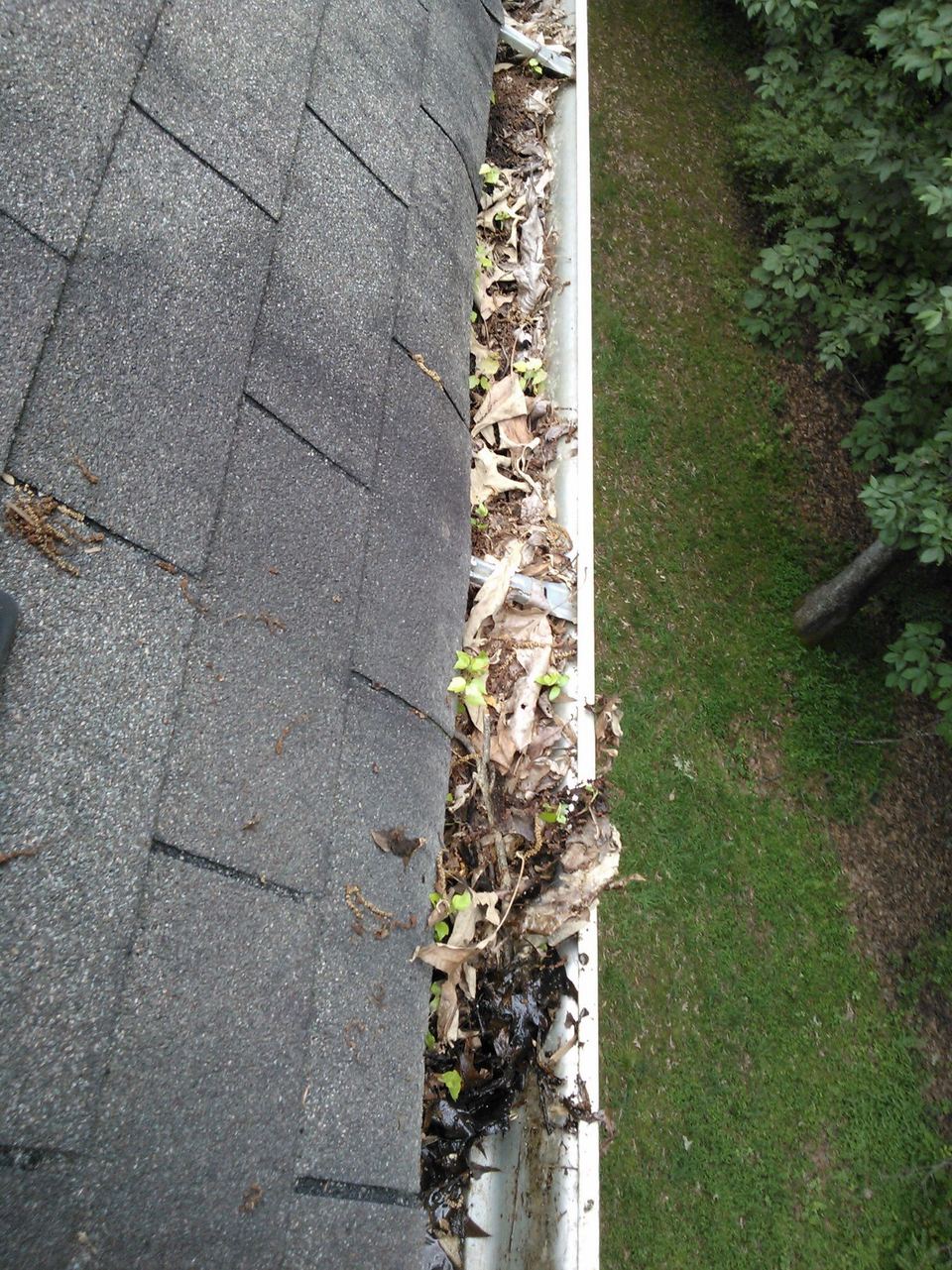
Trees are a large part of the picture. Broad leaves, pine needles, seed pods, small twigs and blooms all end up on roofs and in gutters. Fine material builds up too, such as dust, pollen and the granules that wear off some roof shingles. Over time this mix packs down into a wet layer that holds water and slows the flow.
The National Park Service's Preservation Brief 4 on roofing notes that "gutters tend to accumulate leaves and debris during the spring and fall and after heavy rain." The same brief warns that when debris fills gutters and downspouts, it can cause "water to back up and seep under roofing units."
Houses under or near large trees collect the most. The Texas Manual on Rainwater Harvesting says leaf guards and screens "are usually necessary only in locations with tree overhang." So a house with open sky above it may need less protection than one under mature oaks or pines.
How gutter covers and guards work
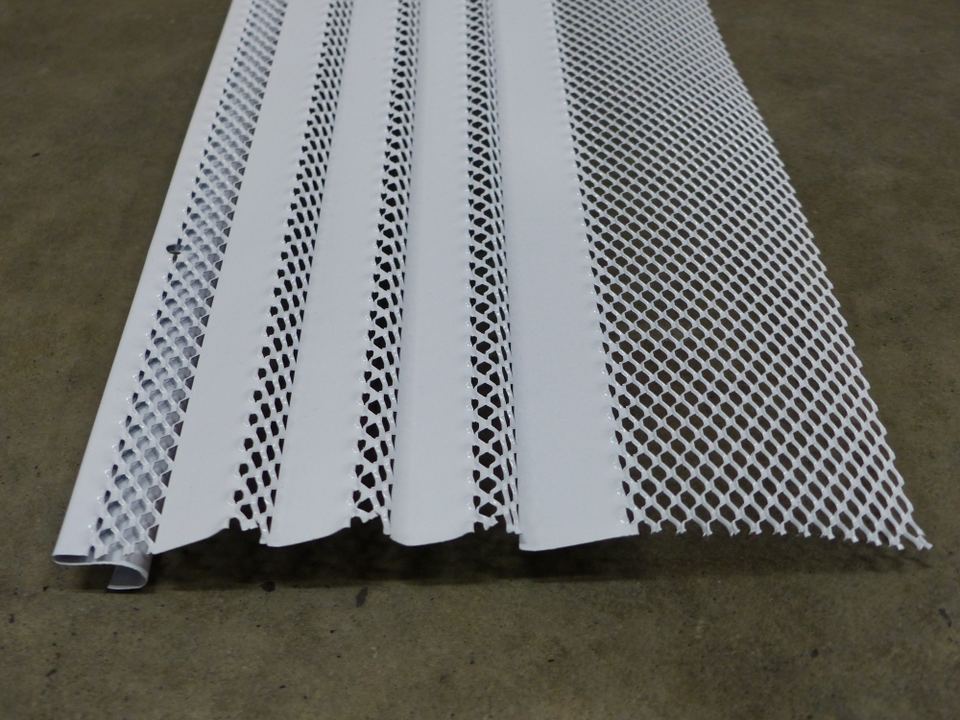
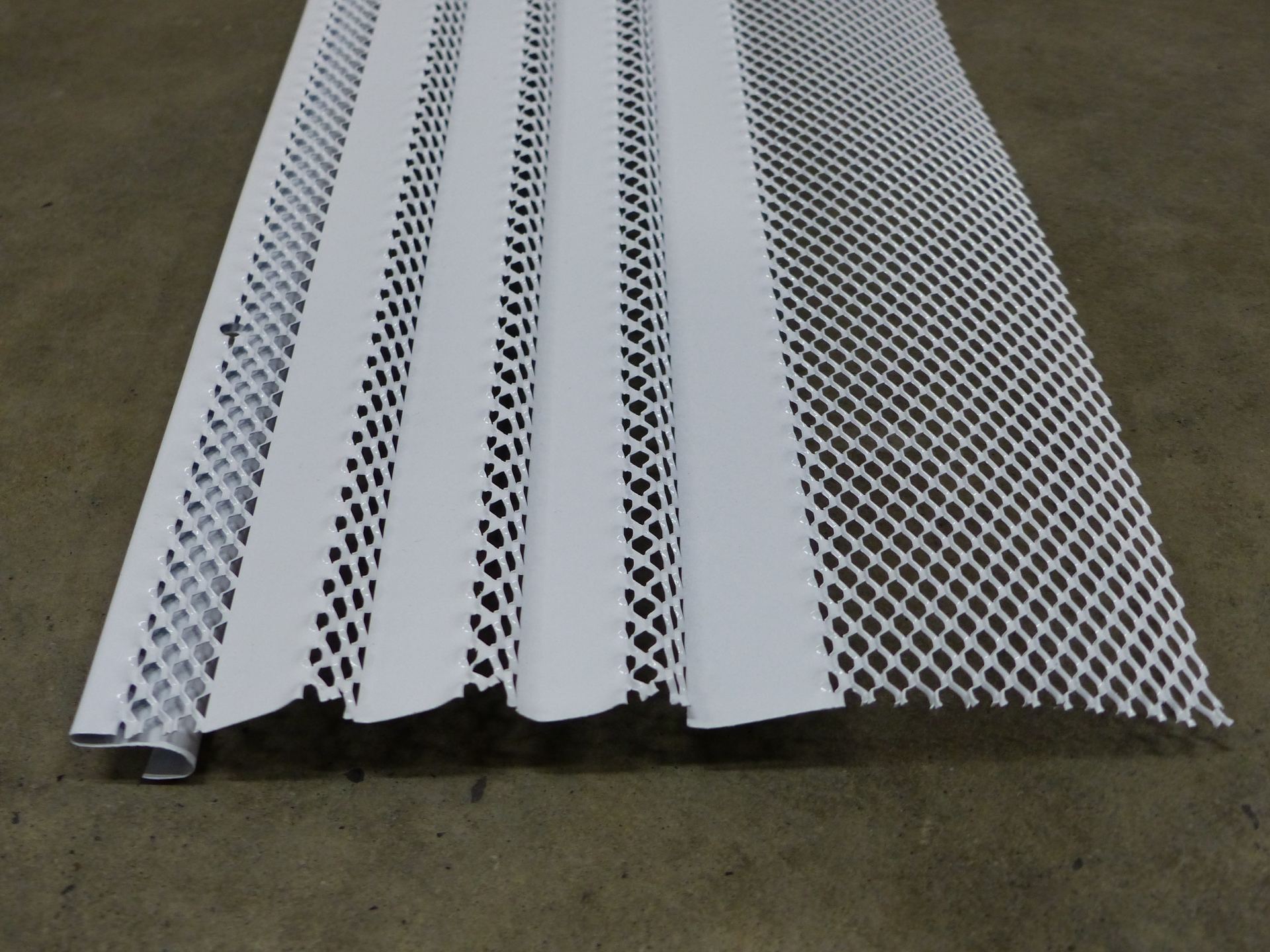
Gutter covers and gutter guards are two names for the same idea. Something sits over or inside the gutter, lets water in and keeps larger debris out. Designs vary. Some are mesh or screen panels. Some are solid covers with a curved front edge, so water follows the curve into the gutter while leaves slide off. Others are inserts that sit inside the channel.
The Texas Water Development Board's rainwater manual describes common leaf guards as "usually ¼-inch mesh screens in wire frames that fit along the length of the gutter." It adds that "guards with profiles conducive to allowing leaf litter to slide off are also available." Strainer baskets can also be fitted at the downspout outlet to stop debris entering the pipe.
No single design suits every roof. The same manual says that, depending on the amount and type of tree litter and dust, homeowners may need to try more than one method. Fine debris such as pine needles and grit can still lodge in or on some screens. The choice of cover should follow from what actually lands on your roof.
Maintenance that covered gutters still need
Covers reduce how often a gutter fills with debris. They do not remove the need for checks. The Texas Manual on Rainwater Harvesting is direct about this: "Leaf screens must be regularly cleaned to be effective. If not maintained, leaf screens can become clogged and prevent rainwater from flowing into a tank." The same applies when the water is heading to a downspout instead of a tank.
The NPS roofing brief advises that a roof be inspected "at least twice a year" and checked after a storm as well. For a covered gutter, a simple check looks at the top of the cover for matted leaves, the downspout outlets for blockages, the fixings for loose sections, and the ground below for signs of overflow.
Water marks on the fascia, streaks down the face of the gutter, or soil washed out under one spot all suggest water is going where it should not. If debris has built up under the covers, gutter cleaning may mean lifting the covers to clear the channel.
When cleaning or repair should come first
A cover added to a damaged gutter hides the problem. Before covers go on, the gutter should be clear, sloped toward its downspouts and firmly attached. AgriLife's conveyance guidance recommends sloping gutters "at 1/16″ per foot of length" and keeping "the front of the gutter 1/2 inch lower than the back to prevent water from splashing against the building."
If the gutter sags, leaks at the joints or pulls away from the fascia, repair is the first step. Seamless metal gutters have fewer joints because they are formed on site from a coil, but they can still sag or separate from the house. For that work, see seamless gutter repair.
If the gutters are too small for the roof, or are worn out, replacement may make more sense than covers. Our article on choosing gutter material compares the options.
Next steps
Texas Gutter Solutions does not install, clean or repair gutters. We connect homeowners with independent gutter providers. If you are thinking about covers, our page on gutter covers and gutter guards explains that service.
If your gutters need attention, you can send a Quick Quote Online request and we will look for a suitable independent provider. Provider availability depends on your location and the job.
Frequently asked questions
**Do gutter guards stop all debris?** No. They keep out larger debris such as leaves, but fine material can still build up on or under them. The Texas Water Development Board notes that leaf screens must be cleaned regularly to stay effective.
**Do covered gutters still need cleaning?** Yes, though usually less often. The covers, the downspout outlets and the gutter channel still need checks, especially after storms and leaf drop.
**Can gutter covers stop overflow in very heavy rain?** Not on their own. Overflow also depends on gutter size, slope and the number of downspouts. A cover cannot make a small or badly sloped gutter carry more water.
**Should gutters be repaired before covers are added?** Yes. Covers belong on a gutter that is clean, sound, firmly attached and sloped toward its downspouts.
Sources
Hurricane Harvey Info: Hurricane Harvey & Its Impacts on Southeast Texas, National Weather Service, Houston/Galveston Weather Forecast Office (NOAA).
Conveyance - Rainwater Harvesting, Texas A&M AgriLife Extension Service.
Copper in Architecture Design Handbook (CDA Publication A4050), Copper Development Association.
The Texas Manual on Rainwater Harvesting, Third Edition, Texas Water Development Board.
Preservation Brief 4: Roofing for Historic Buildings, National Park Service, U.S. Department of the Interior.